
 English
 Deutschland
 Schweiz
 Zentrallüftungssystem
 Dezentrale Wohnraumlüftung
 Abluftsystem
 Zuluftsystem
 Zubehör & Ersatzteile
Energiespartipps für die kalte Jahreszeit
Wenn die Temperaturen sinken, steigt der Energieverbrauch – oft unnötig. Mit ein paar einfachen Maßnahmen lässt sich die Wärme im Haus halten, ohne auf frische Luft zu verzichten. LIMODOR zeigt, wie effizientes Lüften im Winter funktioniert und welche technischen Lösungen dabei helfen, Energie zu sparen.
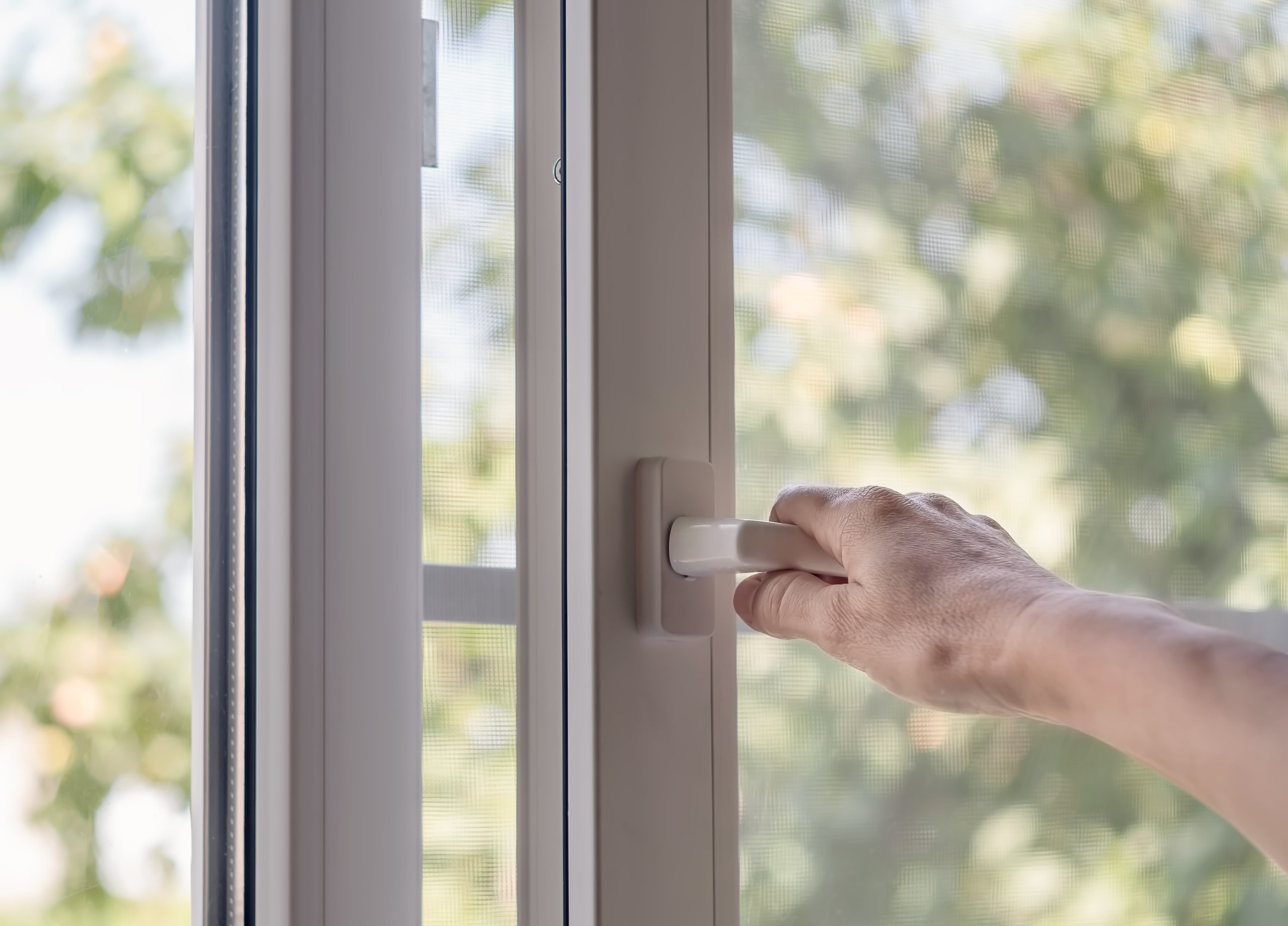
Stoßlüften statt Kipplüften
Mehrmals täglich kurzes, intensives Stoßlüften (5–10 Minuten bei weit geöffnetem Fenster) sorgt für schnellen Austausch verbrauchter Luft. Es verhindert auch zu starkes Auskühlen wärmeabstrahlender Heizelemente wie etwa Boden oder Heizkörper. Die warme Luft fließt aus physikalischen Gründen durch natürliche Konvektion in Richtung kalter Außenumgebung. Dauergekippte – oft vergessene – Fenster sind hingegen wahre Energiefresser.
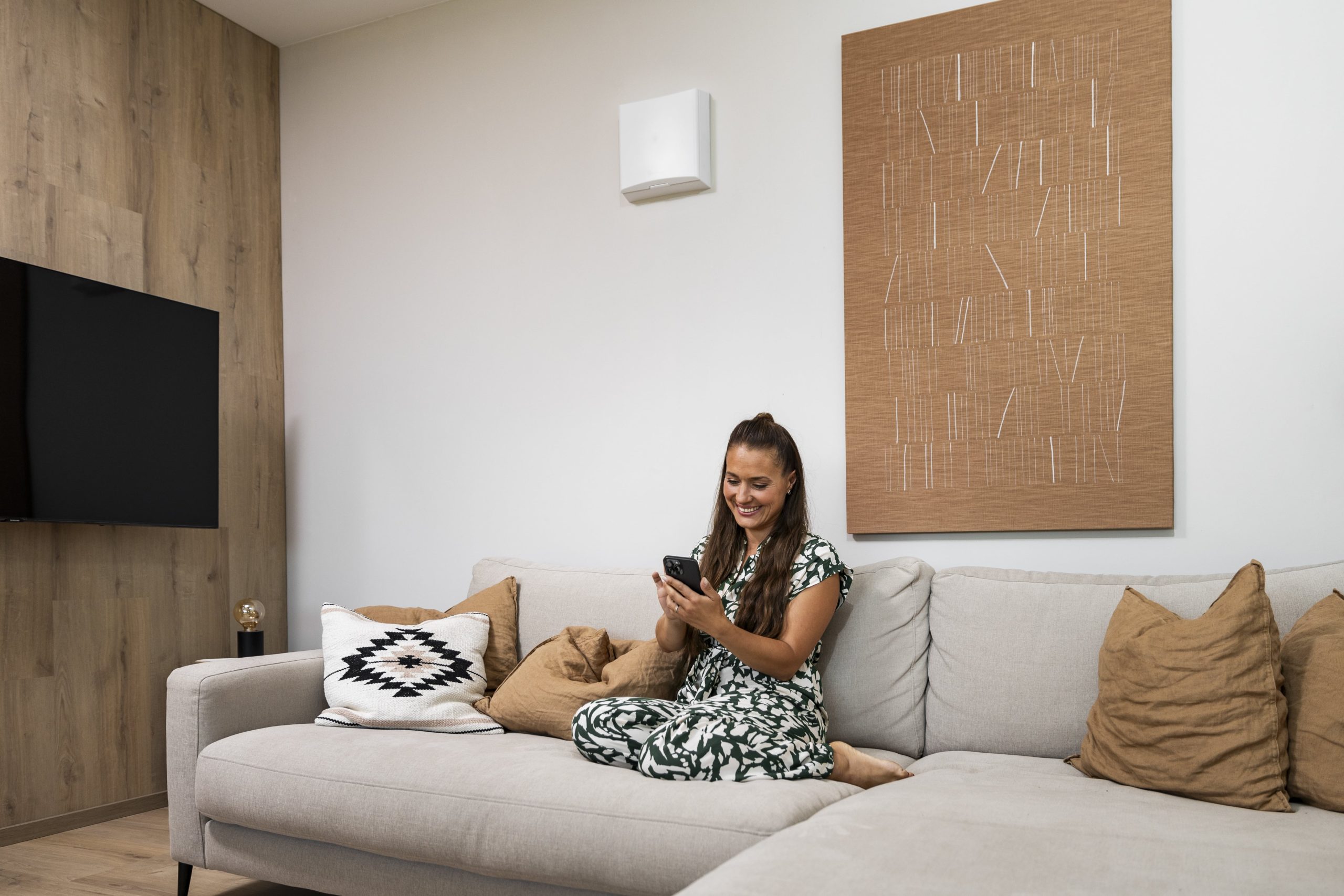
Stoßlüften einer Wohnung ist übrigens auch bei einzelnen vorhandenen Lüftungselementen, etwa in Bad oder WC, möglich. Viele Lüftungssteuerungen besitzen auch einen zeitgesteuerten Sommermodus. Was Stoßlüften natürlich nicht ersetzen kann, ist der Schutz vor Insekten, Pollen und Allergenen oder Lärm. Dezentrale Wohnraumlüftungssysteme, die auch nachgerüstet werden können, bieten sich für den Wohnbereich oder Homeofficeräume in Zeiten von Klimawandel und städtisch geprägter Lebensbereiche als Energiesparalternativen beim Lüften daher an. Sie amortisieren sich rasch.
Heizung beim Lüften ausschalten
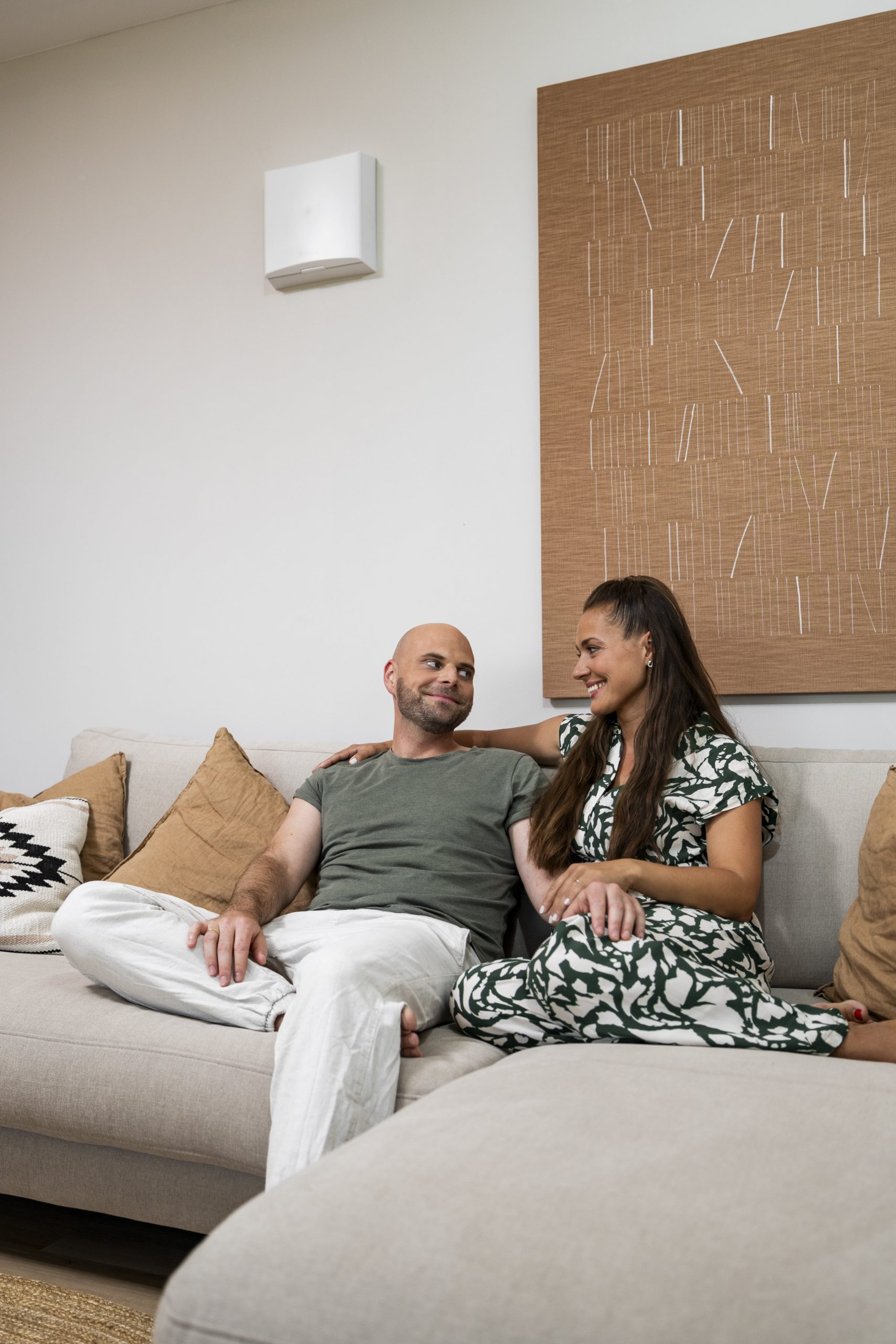
Während des Lüftens sollte die Heizungssteuerung bzw. der Heizkörper heruntergedreht oder kurz ausgeschaltet werden, um zu verhindern, dass unnötig Wärme verloren geht. Das passiert oft, weil sich die Heizung während des Lüftens wegen der absinkenden Raumtemperatur auf volle Leistung hochregelt. Eine komfortable technische Alternative sind kompakte dezentrale Wohnraumlüftungsgeräte von LIMODOR. Sie führen über einen Wärmetauscher die Energie aus der abgesaugten verbrauchten Raumluft der angesaugten Frischluft großteils wieder zu. Außerdem arbeiten sie kontinuierlich und verursachen keine Zugluft. Sie können teilweise sehr einfach nachgerüstet werden. Eine Kernbohrung durch die Mauer und ein Stromanschluss reichen.
Querlüften beschleunigt Luftaustausch
Unbedingt nutzen: Der Lüftungseffekt wird verbessert und ist in weit kürzerer Zeit durchzuführen, wenn durch Öffnen von mehreren Fenstern ein Durchzug geschaffen werden kann. Vorhandene Heizkörper unter den Fenstern während des Lüftens aber zurückdrehen! Kontraproduktiv ist allerdings, wenn die Fenster zu lange offengelassen werden. Denn es strömt damit nicht nur warme verbrauchte Luft aus dem Raum sondern gleichzeitig durch den Luftzug auch kalte in den Raum. Das bewirkt selbst bei größeren Räumen sehr rasche Abkühlung und damit hohen Energieverlust. Unangenehm ist außerdem die Zugluft.
Eine komfortable Alternative sind kompakte dezentrale Wohnraumlüftungssysteme von LIMODOR. Auch Kombinationen mit Einrohrlüftungsgeräten sind möglich.
Lüftungsgerät im WC fix einplanen
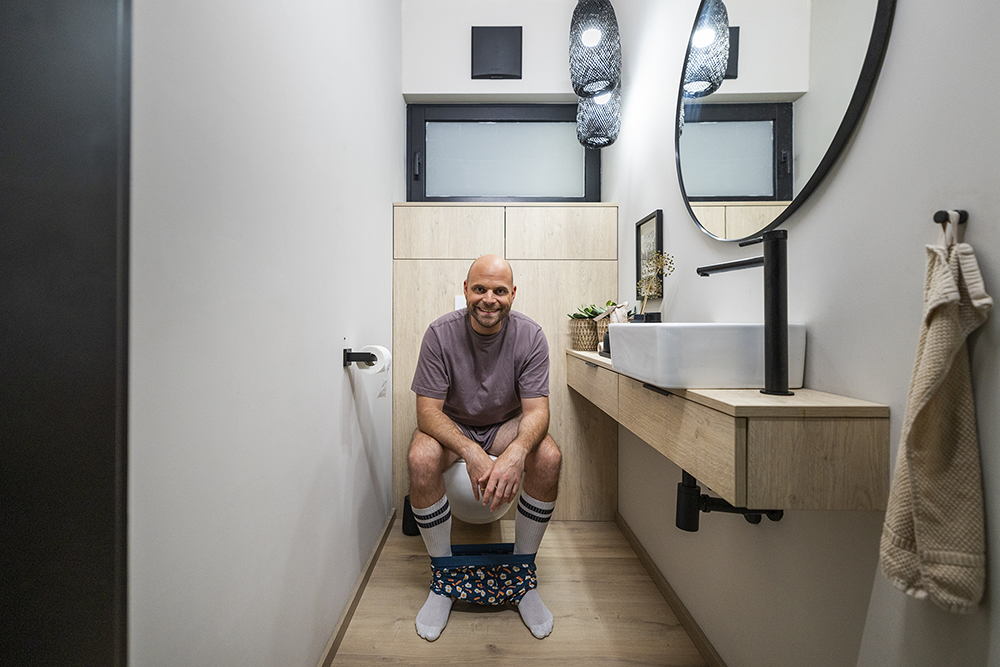
Es muss nicht immer eine vollständige Wohnraumlüftung sein. Aber im WC amortisiert sich ein effizientes Lüftungsgerät in kurzer Zeit. Ein üblicherweise sehr kleines WC-Fenster sorgt auch bei längerem Öffnen kaum für effiziente Abfuhr von Gerüchen. Der Raum kühlt vor allem im Winter gleichzeitig wegen seiner meist geringen Größe stark ab. Das ist für Benutzer sehr unangenehm.
Weit verbreitet in Wohnungen und Häusern sind daher Axialventilatoren oder die -wesentlich effizienteren – Einrohrlüftungssysteme, ein Patent von LIMODOR. Sie führen die geruchsbelastete Luft entweder direkt durch die Mauer oder über ein Entlüftungsrohr, an dem auch mehrere Geräte angeschlossen werden können, nach draußen. Das abgesaugte – geringe – Luftvolumen wird durch nachströmende temperierte Luft aus dem Wohnbereich ersetzt. Frostbeulen am WC bleiben so aus.
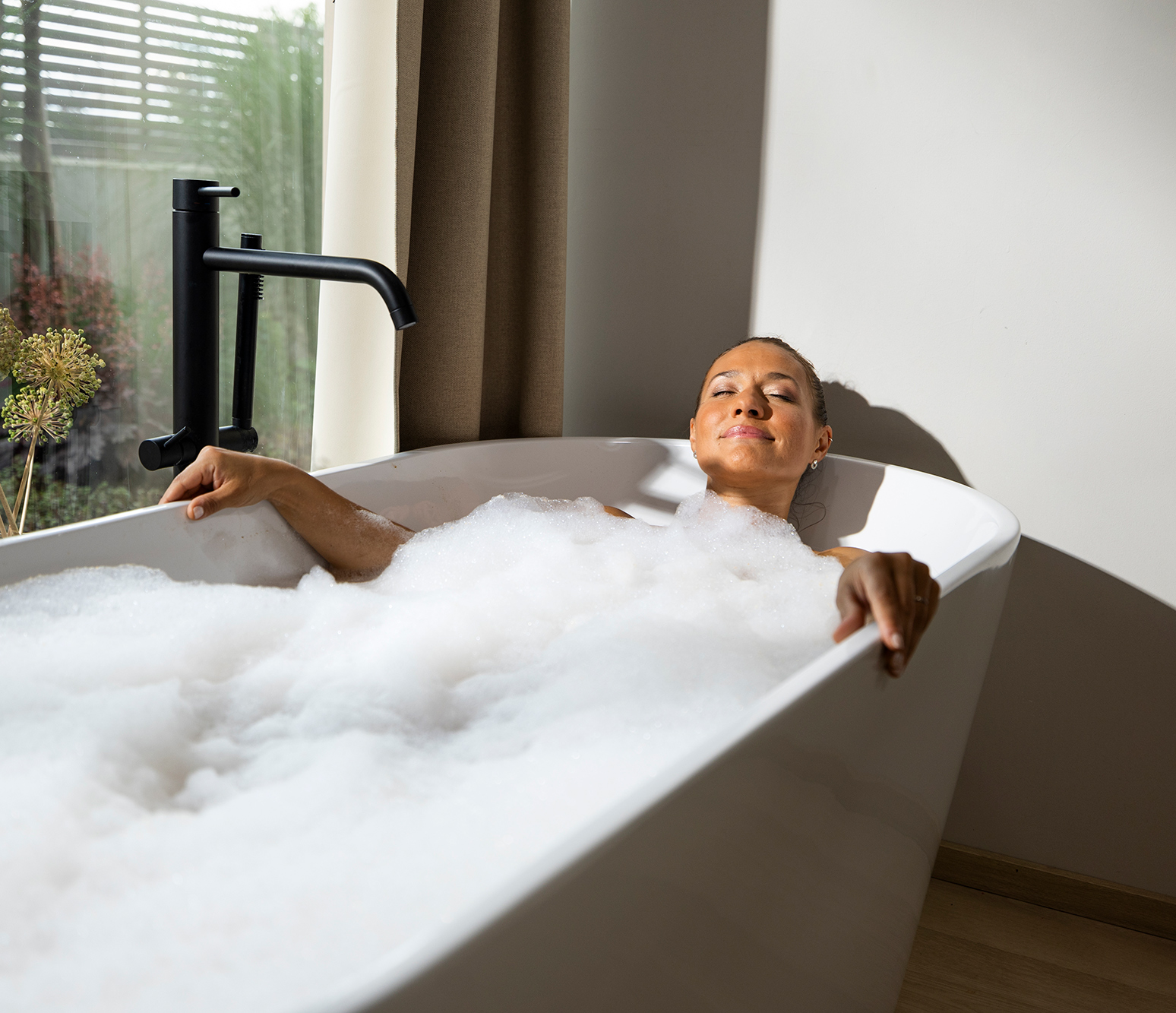
Vermeidung von Badfeuchte durch energieeffiziente Lüftung
Besonders im Bad sammelt sich schnell Dampf, der nach seiner Kondensation für unangenehme Feuchte sorgt. Die verschwindet durch einfaches Fensteröffnen nur bedingt. In der kalten Jahreszeit bewirkt die Abkühlung im Raum sogar besonders rasche Kondensation. Außerdem ist Kälte im Bad natürlich unerwünscht. Ohne technische Unterstützung, etwa durch ein Einrohrlüftungssystem, lässt sich aus diesen physikalischen Gründen keine wirklich befriedigende Entfeuchtung bei gleichzeitigem Wärmeerhalt erreichen.
Wichtig ist, die Luftabsaugung nahe der Entstehungsquelle der Feuchte – etwa im Bereich der Dusche – zu lokalisieren. Außerdem sollte aus Richtung der Badtür ein ungehindertes Nachströmen temperierter Luft aus dem Wohnungsbereich sichergestellt werden. Tote Winkel für die Lüfteranbringung – etwa hinter der Tür oder Trennwänden – sollte man vermeiden. Für die meisten Badlüfter gibt es eigene Feuchtesensoren, die sich ab Überschreiten eines Grenzwertes automatisch einschalten und ein Zuviel an Luftfeuchte im Raum gar nicht entstehen lassen.
Fazit
Richtiges Lüften spart Energie, schützt die Bausubstanz und sorgt für ein gesundes Raumklima. Wer auf effiziente Technik setzt, kann Komfort und Nachhaltigkeit perfekt verbinden. Mehr Infos zu energieeffizienten Lüftungslösungen findest du hier auf unserer Website oder bei deinem Installateurbetrieb.